The Return of
the Lady with the Lamp
When the nearest primary care doctor is an hour away, even a short appointment can cost a family a day’s pay. I want to know how much of that care a local nurse and a community health worker could bring closer to home.
This book grew out of my Master of Science in Global Health thesis at the University of Geneva. I propose that an advanced practice nurse lead a local team, offer psychological support and call on specialists by telemedicine. Residents help decide where that team works and how people can reach it.
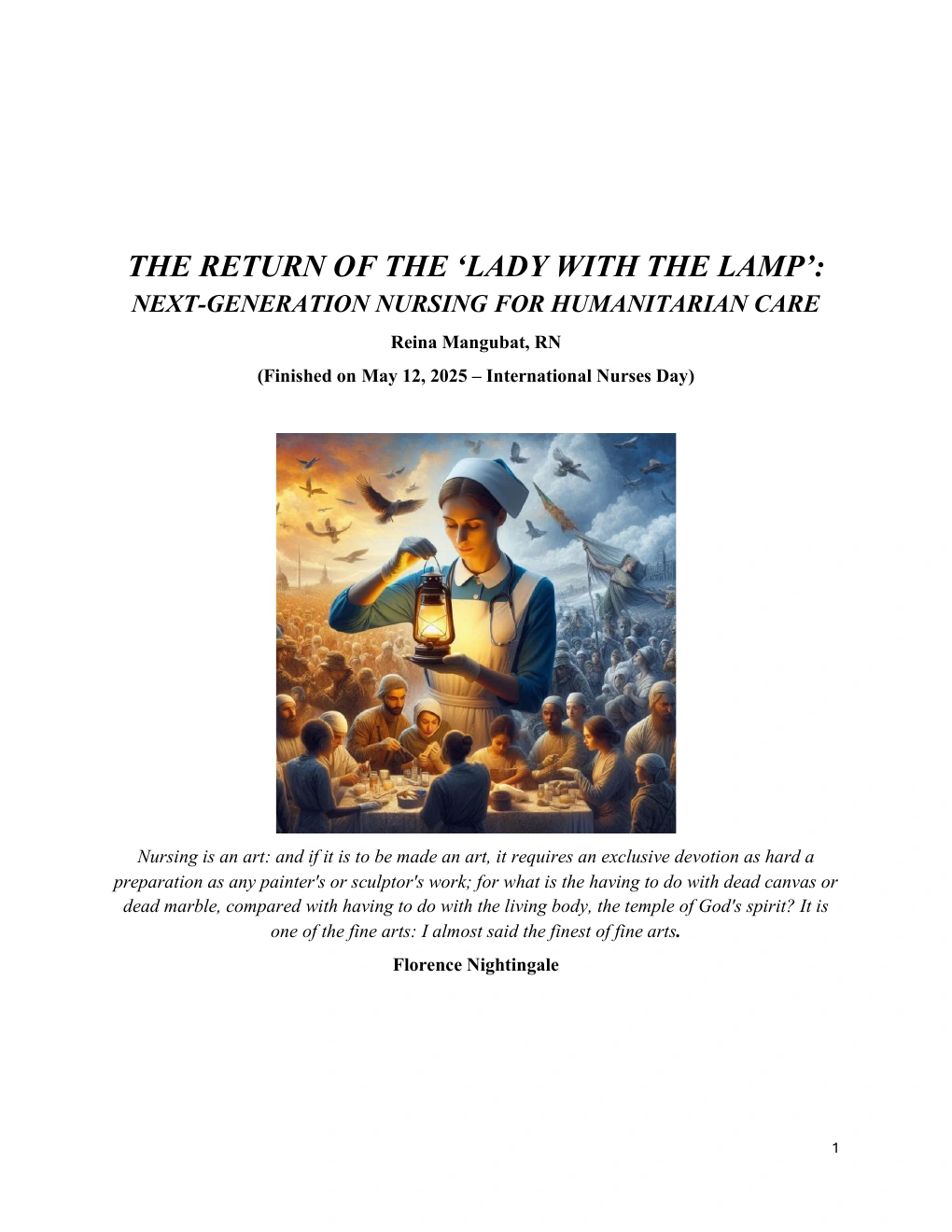
What returns with the Lady with the Lamp?
At Scutari during the Crimean War, more men arrived sick than wounded in battle. On her night rounds Florence Nightingale carried a light from bed to bed. She and her nurses washed linen, organized kitchens and wrote home for soldiers. A man too ill to write could still send word to his family. To him, the letter mattered.
Meanwhile, beneath the hospital, a damaged sewer ran under wards with poor ventilation. Even as the men were fed and the sheets changed, men kept dying. Nightingale suspected poor nutrition. The Sanitary Commission repaired the sewers and improved the ventilation, and deaths fell. There is courage in staying beside a bed. There is another kind in discovering that your explanation was incomplete and spending the rest of your working life pressing for better evidence and healthier buildings.
Nightingale used two names for the nurse’s work: sick-nursing and health-nursing. The first cares for someone who is ill and attends to the air, warmth, food, quiet and cleanliness that can help them recover. The second asks how a household or a whole district can stay well. Both begin with close observation. Sometimes what the nurse sees calls for a change in the care plan. Sometimes it calls for a plumber and a person authorized to pay the bill.
When I speak of the lady returning, I think of the questions a nurse carries out of the room. What does this person need from me tonight? And if the same thing is making other families on this street ill, who can I bring together in the morning to do something about it?
Scutari and the lamp · Nightingale on the two kinds of nursing · Notes on Nursing
Care in numbers
Primary care physicians per 100,000 rural residents, versus 114.7 in urban counties, 2025. 1
Nonmetro residents living in poverty, compared with 10.2% in metro areas, 2024. 3
Increase in median distance to inpatient care in areas of 64 rural hospital closures, 2012–2018. 4
Three chapters to start with
Start with Nightingale’s question about who is responsible for care. See what happened when residents chose the front door as the place for a visit, then ask who pays for the staff and travel that choice requires.
Browse all twelve chaptersThe Nightingale
Transdisciplinary Approach
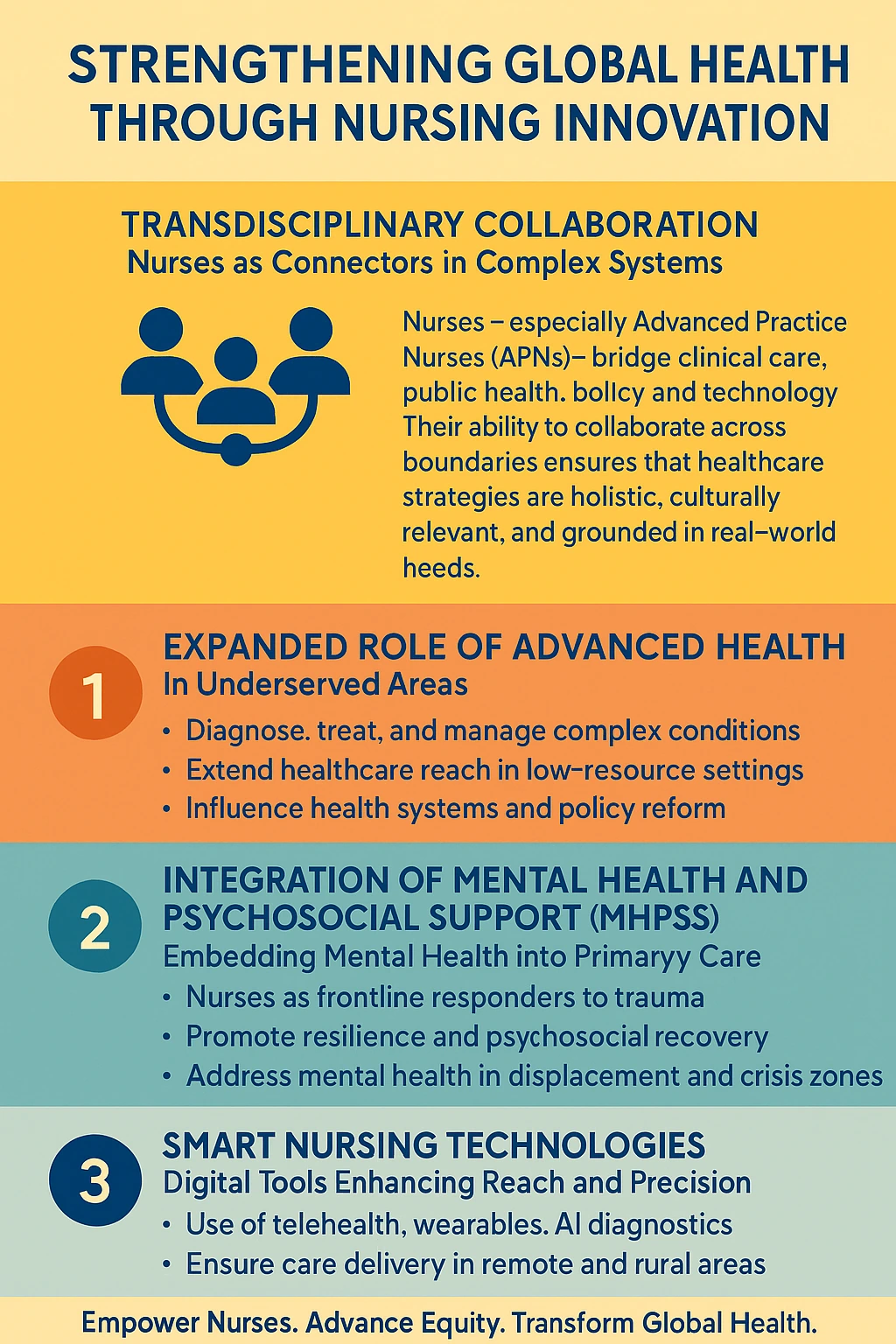
The local advanced practice nurse brings primary care, psychological support and specialist knowledge into one service. Residents and community health workers help choose how and where people reach it. The proposal puts staffing, decision authority and budget behind those choices.
Explore the approachWhen residents chose the front door
In North Philadelphia, residents asked Patricia Gerrity and her fellow nurses to visit older neighbors at home. The nurses went. I keep returning to the order of those two things. The residents had identified people whom the nurses might otherwise have waited to meet at the clinic. By changing where they worked, the nurses changed whom they could see.
Read the full Chapter 6 excerptInside the original research
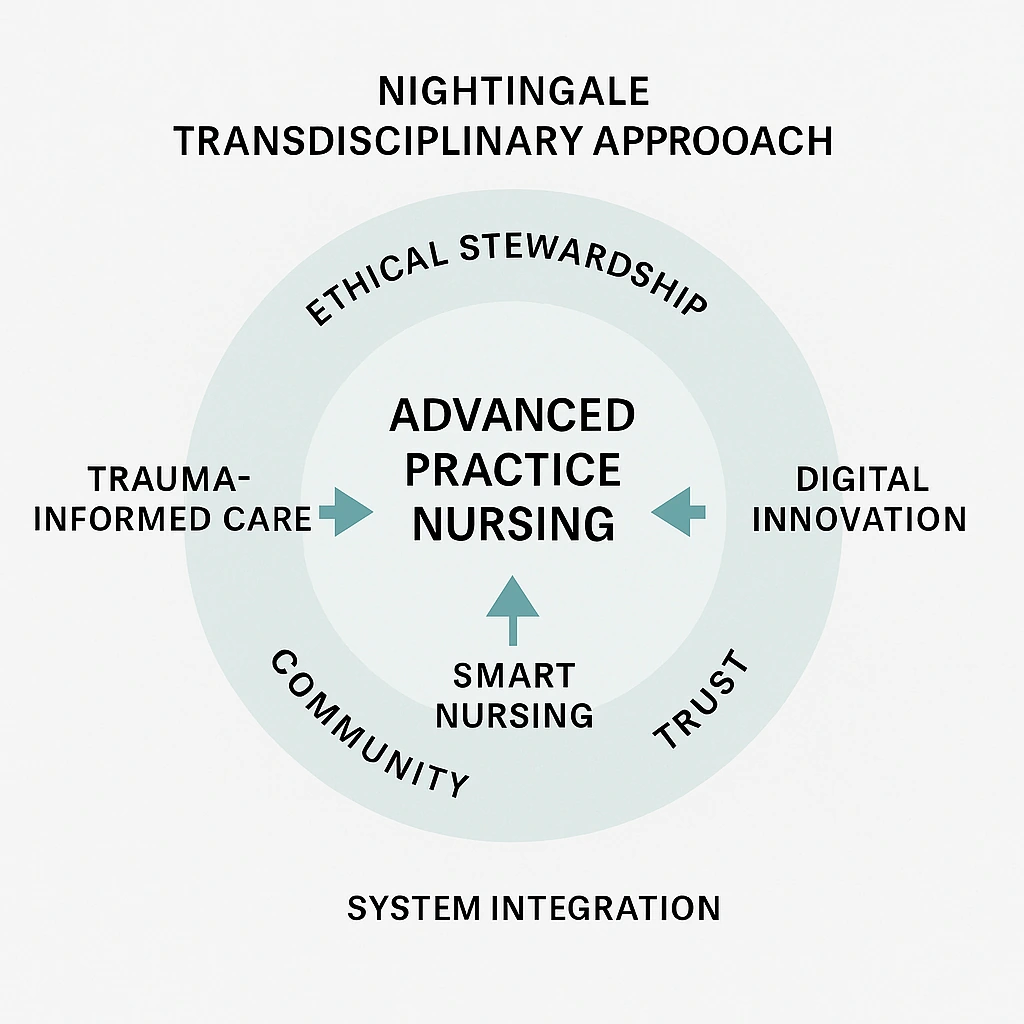
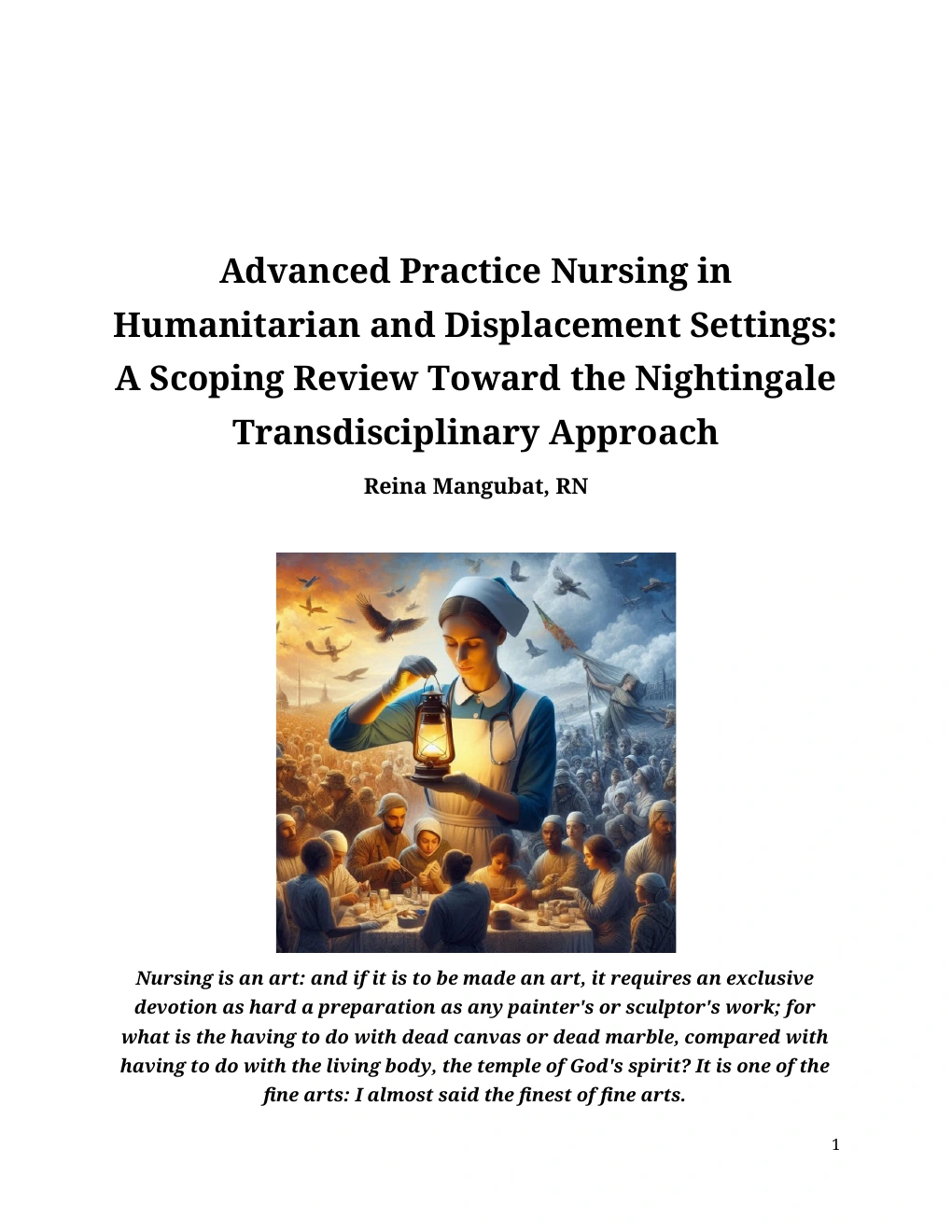
Reina completed the original narrative thesis, The Return of the “Lady with the Lamp”: Next-Generation Nursing for Humanitarian Care, on International Nurses Day, May 12, 2025. A September scoping review mapped 35 sources. Its diagram places advanced practice nursing at the center, with trauma-informed care and digital innovation extending the nurse’s reach. Ethical stewardship, coordination, community trust and dignity hold those parts together.