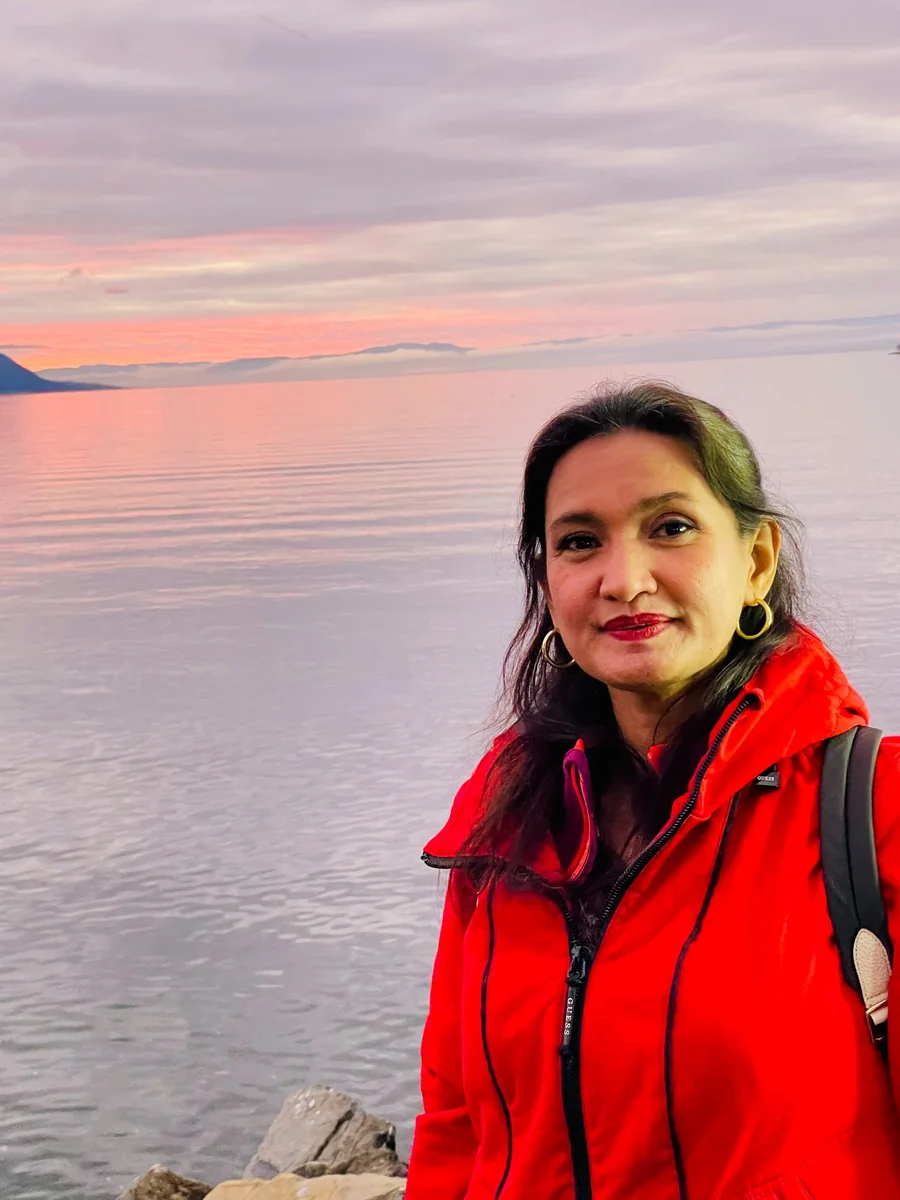
A Nurse and a Teacher
 Reina Christman, RN
In the burn unit in Saudi Arabia, I cared for people whose injuries came from war. A wound was something we could examine and dress. There was no comparable way to look at a family and tell how their recovery was going. That part of nursing has stayed with me.
Years later, in Geneva, I read assignments written by people training to be community health workers through the University of Geneva’s InZone program, in coursework connected to Diffa in Niger and Kakuma in Kenya. This time my work was a teacher’s work. I could read what a trainee understood. I could not tell from an assignment whether a family had received care. When I began to write about Florence Nightingale, I kept coming back to that distance between knowing what ought to happen and finding out whether it did.
In a rural community, I would ask whose working hours overlap the clinic’s, who shares a car and who has given up trying to find a doctor. The people who never reach the waiting room have something to teach us about where nursing ought to take place.
I want to know whether a local advanced practice nurse, working with community health workers, can make primary and psychological care available to those families. If someone needs a specialist, can the nurse bring that expertise into the room without asking the family to make another journey?